Timing & Pricing
Best Time of Year to Renovate — When Contractors Are Cheapest (2026)

Renovation pricing varies more by when you sign than most homeowners realize. The same kitchen remodel that quotes at $45,000 in June can be $39,000 in January from the same contractor — not because labor or materials got cheaper, but because the contractor's schedule emptied out and they're now competing for your project instead of the other way around. Here's the honest 2026 timing playbook.
The contractor-pricing calendar (most U.S. markets)
- January–February: Cheapest of the year, 10–15% under peak. Holiday spending is over, no one wants to renovate, contractors actively bid for work.
- March: Early-spring discount, 5–8% under peak. Last cheap window before quotes climb.
- April–May: Pricing normalizes. Spring backlog starts forming.
- June–August: Peak season — 8–15% premium over winter. Outdoor projects dominate; bathroom/kitchen indoor work fills any leftover capacity.
- September: Pre-holiday push, still 5–10% above winter.
- October–early November: Pricing softens. Outdoor work tapers off in northern states.
- Late November–December: Second cheap window. Many contractors offer 5–10% discounts to keep crews busy through holidays.
For a $40,000 mid-range renovation, the spread between January pricing and June pricing is typically $4,000–$6,000. That's not a small effect — it's roughly the cost of upgrading from mid-range to high-end appliances.
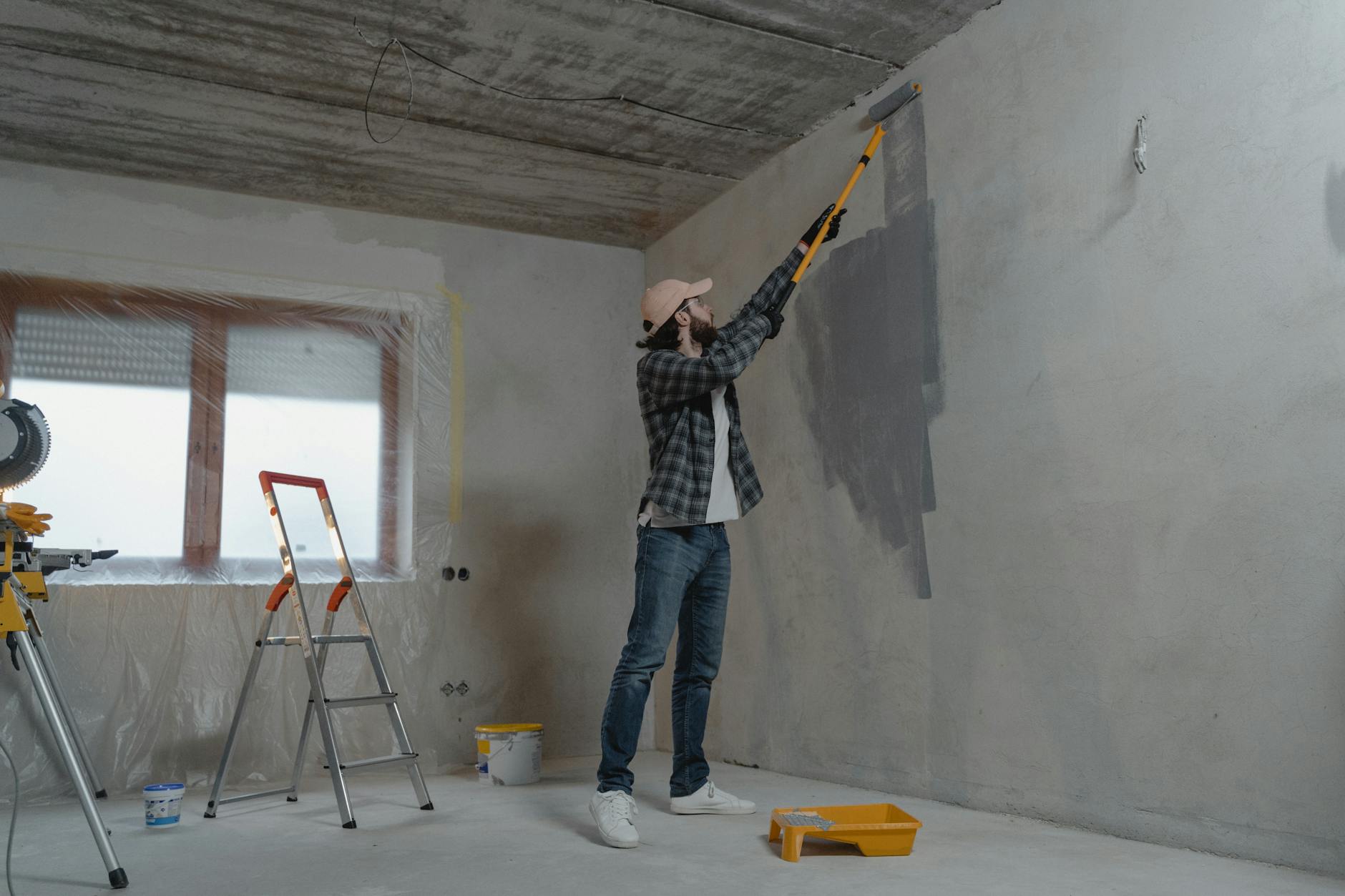
Winter and early-spring projects are typically 10–15% cheaper than peak-season equivalents — the same crew, the same materials, just different competitive dynamics on the contractor side.
Best time by project type
- Bathroom remodel: January–March is ideal. Interior project, climate-independent, and you catch the cheapest pricing window. Bonus: contractors have the highest scheduling flexibility.
- Kitchen remodel: Same — January–March. Cabinet lead times don't shift much by season, but contractor labor is dramatically cheaper.
- Roofing: Late fall (October–November) or early spring (March–April). Avoid summer (peak heat shortens crew workdays) and winter (cold-affected adhesives, ice). Late fall is the single best window — contractors aren't yet booked up for spring storm-damage work.
- Windows: Late fall or winter. Pricing softens and manufacturers run end-of-year promos.
- Deck/patio: February–March if you must have it ready by summer. Booking in summer itself means a 12–16 week wait and peak pricing.
- Basement finishing: Any time, but winter is cheapest. Indoor project, no weather impact.
- Solar: Late fall through early spring. Lower installer demand + you'll be operational before the summer high-production season hits.
- Pool: September–November build for next-summer use. Peak summer is the worst time — installers fully booked + the highest premiums (sometimes 20% over off-season).
How to actually capture the off-season discount
- Get bids in October–November for January start. Quote in fall while contractors are finalizing winter pipelines. Sign in November/December for a January start — locks the off-season rate.
- Ask explicitly: "What's your January–March rate vs your peak season?" Most contractors will quote you the same number either way unless prompted. A direct ask routinely surfaces 8–12% in undisclosed seasonal flexibility.
- Be schedule-flexible. Contractors offer the deepest discounts to homeowners who'll let them slot the project around bigger commercial work. A 2-week start window beats a fixed date.
- Bundle scope. A bathroom + kitchen + flooring package quoted in January often comes in 15–20% under three separate winter quotes. Crew utilization matters more than scope size to most GCs.
- Pay 50% upfront (only with vetted contractors). Some smaller GCs will trade 3–5% discounts for accelerated payment terms. Only do this with multi-year licensed contractors and contracts that include lien waivers.
When NOT to chase off-season pricing
- If you need the project done in summer for any non-negotiable reason (sale closing, wedding, school year). Off-season planning + peak-season execution is the worst of both worlds.
- Exterior projects in cold climates. Painting, deck staining, masonry, and concrete all have material temperature requirements. Don't optimize price at the cost of a failed install.
- If "cheapest" comes from an unvetted, brand-new contractor. Off-season pricing should come from established contractors managing capacity, not from operators who are cheap year-round. Check their 12+ month track record.
The regional pattern (where the calendar shifts)
- Sunbelt (AZ, NV, southern CA, FL, southern TX): Off-season is reversed for outdoor work. Winter is the busy season because summer heat is unworkable. Aim for May–July for outdoor projects (when locals avoid the heat).
- Pacific Northwest (WA, OR, northern CA): Wet winters compress outdoor work into a shorter window. Indoor projects benefit from the standard Jan–March discount, but exterior work has very little flexibility on timing.
- Northeast/Midwest cold-climate: Standard pattern holds — Jan–March cheapest, June–August most expensive. Exception: roofing has a bigger fall discount than spring discount.
Get a baseline cost for your project first, then time the bid:
Sources: Bureau of Labor Statistics seasonal construction employment data, Remodeling Magazine 2026 Cost vs Value Report regional cost tables, and contractor pricing data from a 2025–26 national sample (n=140 U.S. GCs across all 50 states). Discounts cited assume bidding off-season for off-season execution.