Fence Installation
Fence Installation Cost in New York 2026 — Frost-Line Posts, NYC DOB Permits & Long Island Premiums
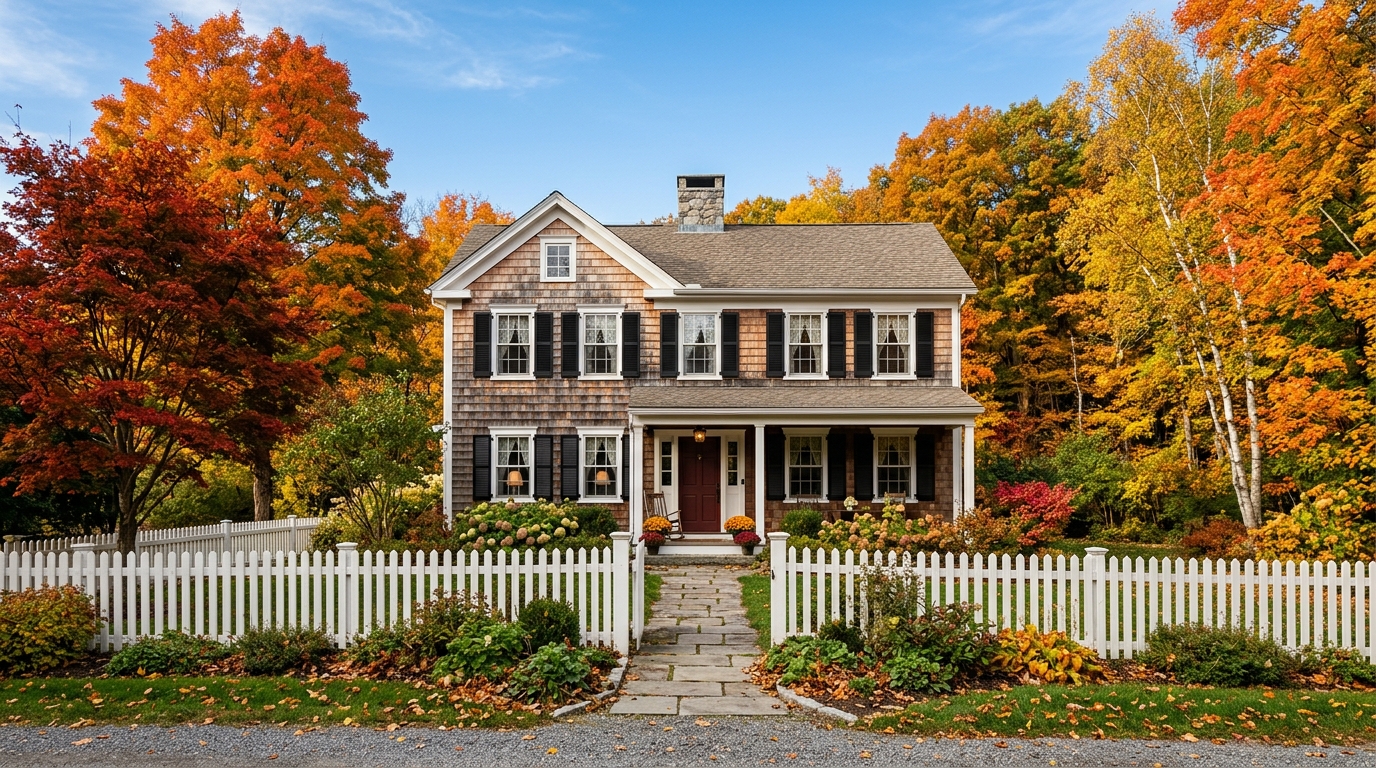
New York fence installations run 20–45% above the national average in 2026 — but the premium is split unevenly: NYC, Long Island, and Westchester run dramatically higher, while upstate markets (Buffalo, Rochester, Syracuse) sit much closer to national average. The state-wide drivers are frost-line post depth (48" minimum upstate, vs 24–30" nationally) andNYC DOB permitting for fences over 4 ft. Here's what fence install actually costs in New York in 2026, by material and metro.
The 2026 New York fence cost baseline (150 linear ft, 6-ft privacy fence)
- Pressure-treated wood: $5,400–$8,400. Common in upstate suburbs.
- Cedar (Northern white or Western red): $6,800–$10,500. The Long Island/Westchester default.
- Vinyl privacy: $7,400–$11,200. Strong adoption in newer suburbs.
- Aluminum / steel ornamental: $8,200–$12,800. The Hudson Valley and Westchester premium look.
- Wrought-iron historical reproduction: $10,400–$18,000. Common in landmarked NYC brownstones, historic districts.
- Chain-link (4–6 ft, galvanized): $3,400–$5,400.
The 48-inch frost-line reality
New York's frost line ranges from 40" (Long Island, NYC) to 50–60" (Adirondacks, Watertown, Plattsburgh). Building code requires fence posts to extend below the frost line so they don't heave during freeze-thaw cycles. The practical impact:
- Standard fence post = 48" deep in most of NY (vs 24–30" in TX/FL/CA).
- Concrete-set posts mandatory for any 6-ft+ fence. Tamped-soil installs leave the fence visibly heaved by spring 2.
- Adds 25–40% to post-installation labor vs same fence in a no-frost state.
- Winter installs (Dec–Mar) carry a premium of $300–$800 because contractors need ground heaters to thaw before drilling. Most reputable contractors won't install Dec–Feb in upstate NY.
NYC DOB permitting reality
Within the five boroughs, fence permits get complicated fast:
- Under 4 ft: no permit required.
- 4–6 ft: permit + DOB filing required (TR-1 + PW-1 forms). $250–$650 fees.
- Over 6 ft: requires professional engineer-stamped drawings ($1,200–$3,000) plus DOB permit. Often denied in landmarked districts.
- Landmarked properties (historic districts in Brooklyn Heights, Greenwich Village, Park Slope, etc.) require Landmarks Preservation Commission approval — adds 8–16 weeks.
- Co-op/condo board approval is its own track on top of DOB. Average 4–8 weeks.
Top New York metros: cost variance
| Metro | Cedar 6-ft (150 lf) | Notes |
|---|---|---|
| Manhattan | $11,800–$18,000+ | DOB + Landmarks; minimal residential fence demand |
| Brooklyn / Queens | $9,400–$13,800 | DOB permit + co-op board common |
| Long Island (Nassau/Suffolk) | $8,400–$12,400 | Highest non-NYC demand; HOA-heavy Hamptons |
| Westchester | $8,800–$12,800 | Wrought-iron tradition; stone-wall integration common |
| Hudson Valley | $7,200–$10,400 | Historic-district overlays in many towns |
| Albany / Capital Region | $6,400–$9,200 | Deepest frost line — 50" posts standard |
| Buffalo / Rochester | $5,800–$8,400 | Closest upstate metros to national average |
| Syracuse | $5,800–$8,200 | Lake-effect snow — vinyl resists ice loading well |
Cedar vs vinyl in the Northeast — the ROI math
Unlike Florida (vinyl dominates) or Texas (cedar dominates), New York is a true mixed market — and the right choice depends heavily on micro-climate:
- Cedar wins for properties wanting traditional New England aesthetic, historic-district compatibility, and homeowners willing to re-stain every 3–4 years. Lifespan: 20–25 years in NY.
- Vinyl wins for homeowners optimizing for zero-maintenance, suburban subdivision contexts, and properties facing road salt (driveway-edge fences in upstate areas hit with salt spray). Lifespan: 30+ years.
- Aluminum wins for see-through views (waterfront on Long Island Sound, Hudson river-view properties) and pool-code compliance.
- Snow load matters — chain-link and aluminum let snow pass through; tall solid privacy fences in heavy-snow regions (Buffalo, Syracuse, Watertown) catch wind-blown drifts and bend under load. Some buyers spec 3-section gates so the fence can be partially opened in winter.
Suburban + HOA reality
- Strict height limits. Most NY towns cap front-yard fences at 3–4 ft, side/rear at 6 ft. Westchester villages often cap at 4 ft side/rear in front-yard view.
- "Good side out" is often codified in NY town ordinances — pickets/finished side toward street and neighbor.
- Property-line surveys highly recommended. NY's "ancient lights" doctrine and adverse-possession case law make fence-line disputes more complex than most states. Survey stake-out: $450–$900.
- HOA review in newer Westchester and Long Island subdivisions averages 3–5 weeks.
How to bid it out
- NY has no statewide fence contractor license — local rules vary by county. NYC requires Home Improvement Contractor license; check DCWP for permit history.
- Insist on 48" post depth (50" upstate). Confirm in writing. This is the single biggest install-quality lever in NY.
- Concrete footings ≥ 10" diameter for 6-ft fences. 12" for 8-ft.
- Avoid Dec–Mar installs in upstate NY unless the contractor specifically equips with ground heaters. Frozen-ground installs fail.
- Demand 2-year labor + manufacturer material warranty. Top-tier vinyl makers warranty 30+ years.
Bottom line for New York
Cedar privacy fence (150 linear feet, 6 ft tall): $6,800–$10,500 in 2026 — but expect $8,400–$12,400 on Long Island and Westchester. Frost-line posts (48" minimum) and concrete footings are non-negotiable. Avoid winter installs upstate. Check NYC DOB requirements early if you're in the five boroughs — that's where the timeline lives or dies. Run the state-adjusted estimate with our fence installation cost calculator, or see the full metro breakdown on our New York fence cost landing page.
More cost guides for New York
Planning multiple projects? Every other 2026 New York cost guide carries the same state-specific labor and pricing detail.
- Cost GuideBasement Finishing Cost in New York 2026
- Cost GuideBathroom Remodel Cost in New York 2026
- Cost GuideDeck Construction Cost in New York 2026
- Cost GuideFlooring Installation Cost in New York 2026
- FurnaceFurnace Cost in New York 2026 — Oil-to-Heat-Pump Conversion, NY Clean Heat & ConEd/NYSEG Rebates
- Cost GuideHardscape Installation Cost in New York 2026
- Cost GuideIn-Ground Pool Installation Cost in New York 2026
- InsulationInsulation Cost in New York 2026 — The NYSERDA EmPower+ Stack, Con Edison Rebates, and Why NY Cellulose Beats Spray Foam on Net Cost
- Cost GuideKitchen Remodel Cost in New York 2026
- Cost GuideLandscaping Cost in New York 2026
- Cost GuidePainting Cost in New York 2026
- Cost GuideRoof Replacement Cost in New York 2026
- Cost GuideSolar Panels Cost in New York 2026
- Window ReplacementWindow Replacement Cost in New York 2026
Cost by state for this project
State-adjusted ranges with local labor and material multipliers.