Roofing
When to Replace Your Roof (And How to Avoid Overpaying)
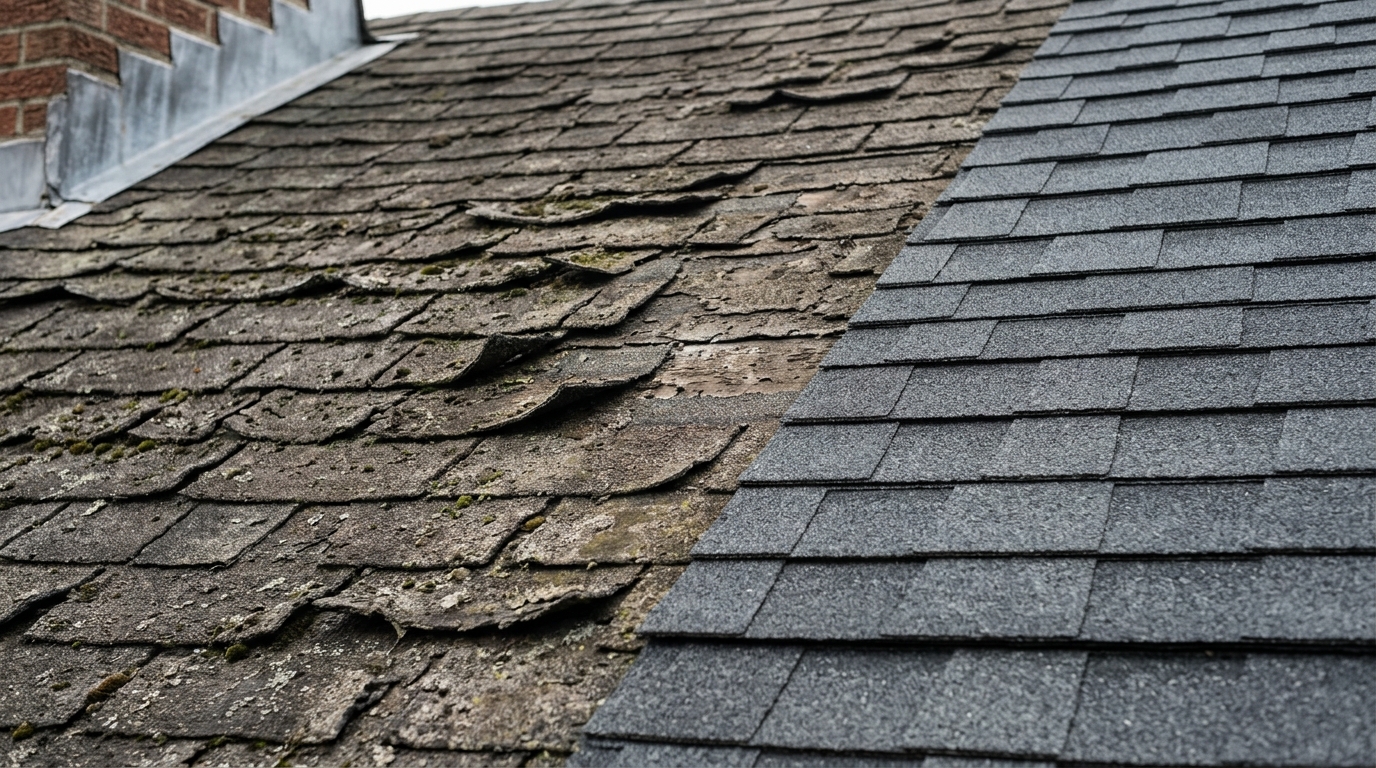
Roofing is the home-improvement category with the highest concentration of bad-faith sales. With roof replacement cost running $8,000–$30,000 for a typical home in 2026, the work is high-ticket — and most homeowners can't actually see their roof. Door-to-door "storm chasers" after every major weather event, free-inspection contractors who always find damage, and insurance fraud rings all converge on this category. The result: a meaningful percentage of U.S. roofs get replaced 5–10 years before they need it. This guide covers when replacement is genuinely warranted and how to avoid overpaying.
How long roofs actually last in 2026
- 3-tab asphalt shingles: 15–20 years
- Architectural (dimensional) asphalt shingles: 25–30 years
- Metal (standing seam, steel, aluminum): 40–70 years
- Clay tile: 50–100 years
- Slate: 75–150 years
- Wood shake: 25–35 years (climate dependent)
These are realistic averages. Roofs in the Sun Belt (intense UV) age toward the lower end. Roofs in the Pacific Northwest (mild temperatures, low UV, but moss-prone) can outlast their stated lifespan with proper maintenance.
Cost data sourced from the 2026 Remodeling Magazine Cost vs Value Report, Bureau of Labor Statistics regional labor data, and contractor pricing surveys.
Real signs your roof needs replacement
The genuine red flags, in order of urgency:
- Active leaks inside the home. Water staining on ceilings, especially after rain. This is the only sign that demands immediate action.
- Granules in the gutter. Asphalt shingles shed granules across their life. A bucket of granules in the gutters means the protective layer is gone and UV is now hitting the asphalt directly. Replacement window: 1–3 years.
- Curling, cupping, or cracking shingles. Visible from the ground or from neighboring upper-story windows. Replacement window: 1–3 years.
- Sagging roofline. Visible dip in the roof. Indicates structural decking issues — get a structural inspector immediately.
- Daylight visible through attic boards. Beyond ridge vents and intentional ventilation, daylight in the attic means decking failure.
- Roof age past 80% of its expected lifespan. A 22-year-old architectural-shingle roof is approaching end of life regardless of how it looks.
Get a state-adjusted replacement cost in 30 seconds with our roof replacement calculator. Use it to baseline contractor quotes before sourcing bids.
Storm-chaser red flags
After hailstorms, hurricanes, or wind events, contractors flood affected neighborhoods. Some are legitimate; many aren't. Walk away from anyone who:
- Knocks on your door uninvited
- Offers to "inspect for free" and then claims to have found extensive damage you can't verify
- Pressures you to file an insurance claim with their preferred adjuster
- Asks you to assign your insurance benefit to them (the "AOB" scam — they collect your insurance payout directly)
- Operates from a truck with out-of-state plates and no permanent local address
- Quotes a price contingent on "what insurance pays"
Real damage from real storms is real. But have an independent roofer (not the door-knocker) inspect before signing anything, and never assign your insurance benefits to a contractor.
What a fair quote includes
A complete roof replacement quote should specify:
- Tear-off vs. overlay. Overlay (going over the existing layer) is cheaper but often a code violation and always reduces lifespan. Tear-off to deck is the right answer.
- Decking condition allowance. Replacement of damaged sheathing, priced per sheet (typically $50–$120/sheet installed).
- Underlayment. Synthetic (not felt) for most modern installs.
- Ice and water shield. At eaves and valleys; required by code in most cold-weather states.
- Drip edge, starter strip, ridge cap. Often skipped in cheap quotes; required by manufacturer for warranty.
- Flashing replacement. Around chimneys, vents, valleys. Old flashing is the #1 source of leaks on otherwise-good roofs.
- Ventilation update if needed. Ridge vents, soffit vents — proper attic ventilation extends roof lifespan dramatically.
- Cleanup and magnetic nail sweep. Critical if you have lawns, pets, or kids.
- Manufacturer warranty registration. Most premium warranties require contractor certification AND registration after install.
Architectural vs. premium shingles — what's worth it
Architectural shingles (e.g., GAF Timberline, CertainTeed Landmark, Owens Corning Duration) hit the sweet spot. They cost 15–25% more than 3-tab and last 50% longer. The math always favors them. Skip 3-tab unless you're flipping the home within 5 years.
Premium "designer" architectural shingles (GAF Grand Sequoia, CertainTeed Presidential) cost 40–60% more than standard architectural and look more textured. They don't last meaningfully longer. Pick them for appearance, not for value.
Metal roofing carries 2–3× the cost of architectural shingles but lasts 2–3× as long. The break-even depends on how long you plan to stay. Under 15 years: stick with architectural. Over 25 years: metal usually wins on lifetime cost.
Timing matters more than people realize
Roofing pricing is highly seasonal:
- April–August: peak season, highest prices, longest waits (4–8 weeks)
- September–October: shoulder season, fair prices, 2–3 week waits
- November–February: off-season, 10–20% labor discounts in most regions, often same-week scheduling
Unless you have an active leak, schedule for the off-season. Roofers do their best work in dry, cool weather anyway — late fall is the structural-best time to install in most U.S. climates.
Bottom line
Don't let a stranger at your door sell you a roof. Verify damage with an independent inspector before filing any insurance claim. Get three written, itemized quotes. Pick architectural shingles for almost any residential application. Schedule in late fall when possible. And never assign your insurance benefits to a contractor. Get a baseline price for your state with our roof replacement calculator before any contractor visits — it's the single fastest way to know whether a quote is fair.
Cost by state for this project
State-adjusted ranges with local labor and material multipliers.