Budgeting
How to Budget a Bathroom Remodel in 2026
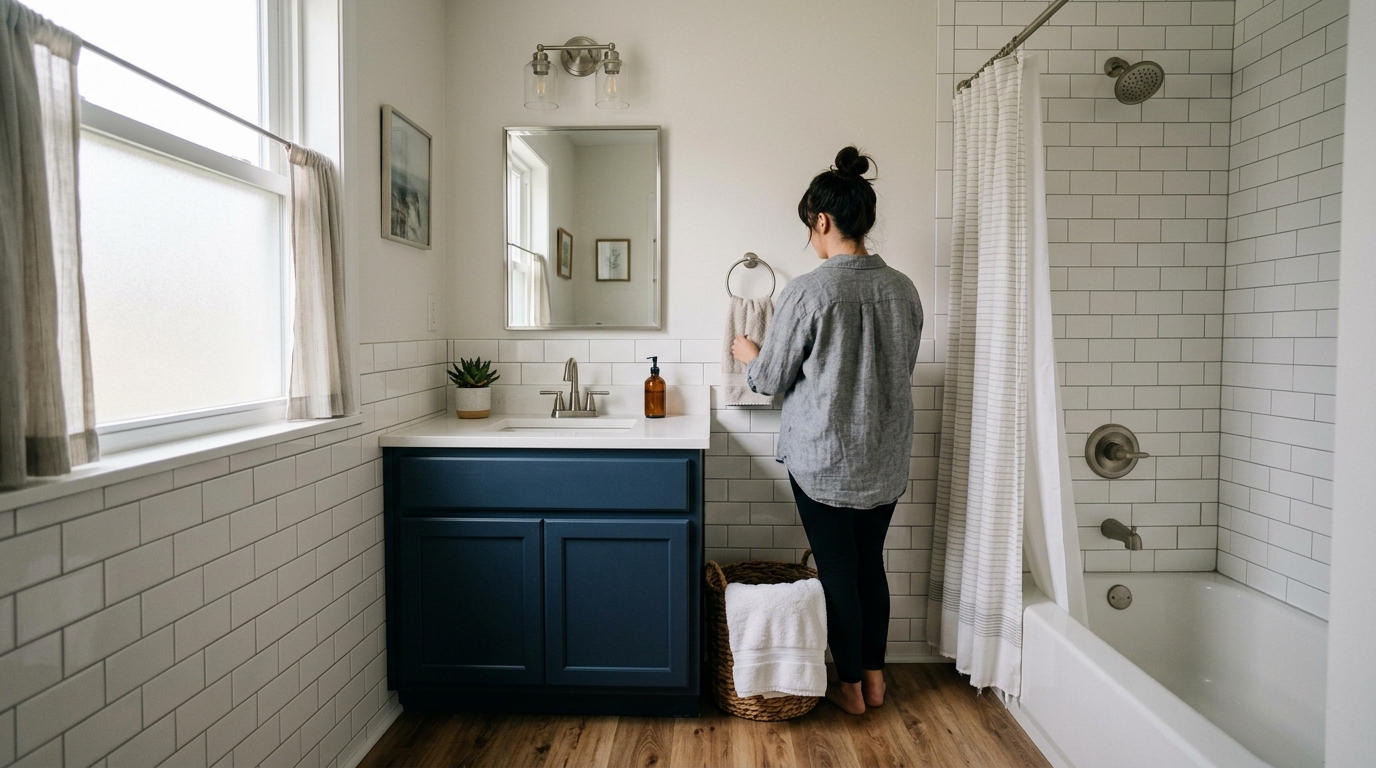
A bathroom is one of the highest-value rooms in a home — and one of the easiest places to overspend. Bathroom remodel cost can swing from a $5,000 refresh to a $30,000 renovation depending on three decisions made in the first week of planning. This guide walks through how to set a realistic bathroom remodel budget, what each dollar should buy, and where most homeowners lose money.
Start with a target range, not a wish list
Most contractors will quote against whatever you describe, which means a vague "nice modern bathroom" gets priced toward the high end. Before you talk to a single pro, decide three things:
- What scope are you taking on? Fixtures-only swap, full remodel, or layout change.
- What size is the bathroom? Under 50 sq ft (small), 50–100 (medium), or over 100 (large).
- What quality tier? Builder-grade, mid-range, or high-end.
For a typical mid-range full remodel of a medium-sized bathroom, 2026 contractor pricing in the U.S. lands between $9,000 and $19,000. California and New York run roughly 40% higher; most Midwest states run about 15% lower. Run our bathroom remodel cost calculator to dial in your state and quality tier before you start sourcing bids.
Cost data sourced from the 2026 Remodeling Magazine Cost vs Value Report, Bureau of Labor Statistics regional labor data, and contractor pricing surveys.
The cost split that actually matters
Within that total, contractors typically allocate:
- Labor — 50%. Where regional differences hit hardest. A licensed plumber in San Francisco bills 2–3× a plumber in rural Tennessee.
- Materials — 35%. Tile, vanity, fixtures, lighting, mirror, cabinetry. Biggest swing in your budget.
- Permits & fees — 5%. Required for any plumbing, electrical, or structural work.
- Contingency — 10%. The single most-skipped line item, and the most-regretted. Always reserve it.
If your contractor's quote breaks down differently — for example, materials at 50%+ — that's a sign of overpriced specs or low-volume sourcing. Push back and ask for itemized material costs.
What "mid-range" actually buys you in 2026
The word "mid-range" gets thrown around a lot. In bathroom remodels, mid-range in 2026 typically means:
- A 30–48" semi-custom vanity ($600–$1,500)
- Quartz counters ($60–$90/sq ft installed)
- Porcelain floor tile ($8–$14/sq ft installed)
- Acrylic tub or 36–48" frameless shower door
- Name-brand toilet and faucets (Toto, Kohler, Delta)
- LED recessed lighting
Going to high-end (premium tile patterns, custom vanity, frameless glass enclosure, heated floors, designer hardware) typically takes a $9,000–$19,000 mid-range bathroom to $20,000–$45,000. The visible upgrade is often subtle — most of the spend goes into materials only the owner notices.
Five places to save real money without the bathroom looking cheap
Some cuts ruin the project. Some don't. The five below are where actual professionals find savings without compromising the result.
- Don't move the plumbing. Relocating a toilet or shower drain runs $1,000–$5,000 in plumbing labor and tile rework. If your existing layout works, keep it.
- Buy the visible items yourself. Vanity, faucet, mirror, lighting — buying these directly avoids the contractor's 15–25% markup. Have everything on-site before demo day.
- Use mid-range fixtures with high-end finishes. A $200 faucet from Delta in matte black looks indistinguishable from a $700 designer model in the same finish.
- Tile a feature wall, not the whole room. Floor-to-ceiling tile triples labor cost. A single tiled wall or wainscot strip delivers most of the visual impact.
- Schedule outside peak season. Most U.S. contractors are slammed April–August. Booking October–February often nets a 5–15% labor discount.
What to put in writing before work starts
Before signing anything, your contract should specify:
- Exact products and finishes (brand + model + finish, no substitutions without approval)
- Start date, expected completion, and a per-day delay penalty
- Payment schedule (never more than 10% upfront; staged on milestones)
- Lien waivers from all subs
- Warranty on labor (1 year minimum)
- A change-order policy in writing
If your contractor pushes back on any of these, find a different contractor. Our contractor hiring checklist walks through the full vetting process.
Permits — what you actually need
Cosmetic-only updates (paint, mirror, fixtures) usually don't need a permit. You will need one for:
- Moving plumbing or electrical
- Installing a new tub or shower pan
- Removing or modifying walls
- Replacing a window
Permits typically cost $150–$600 and are pulled by the contractor, not you. See our permit requirements by state guide for the rules in your area.
What "done" looks like
A well-budgeted bathroom remodel typically finishes:
- 1–3 weeks total project time
- Within 5–10% of the original quote (the 10% contingency absorbs surprises)
- With a punch list of 5–10 small items closed within two weeks of completion
- With a written warranty on labor
If at any point the budget is tracking 20%+ over, stop. Get the change orders in writing, and decide whether to proceed before more work happens. The single biggest source of remodel regret is the silent creep of small overruns.
Bottom line
A realistic 2026 bathroom remodel budget is your scope × your size × your quality tier × your state's cost factor — plus a 10% contingency. Get a state-specific estimate in 60 seconds with our bathroom remodel calculator, then collect three written bids before deciding. The goal isn't to pay the lowest price; it's to know exactly what you should pay, and walk into negotiations from a position of information.
Cost by state for this project
State-adjusted ranges with local labor and material multipliers.